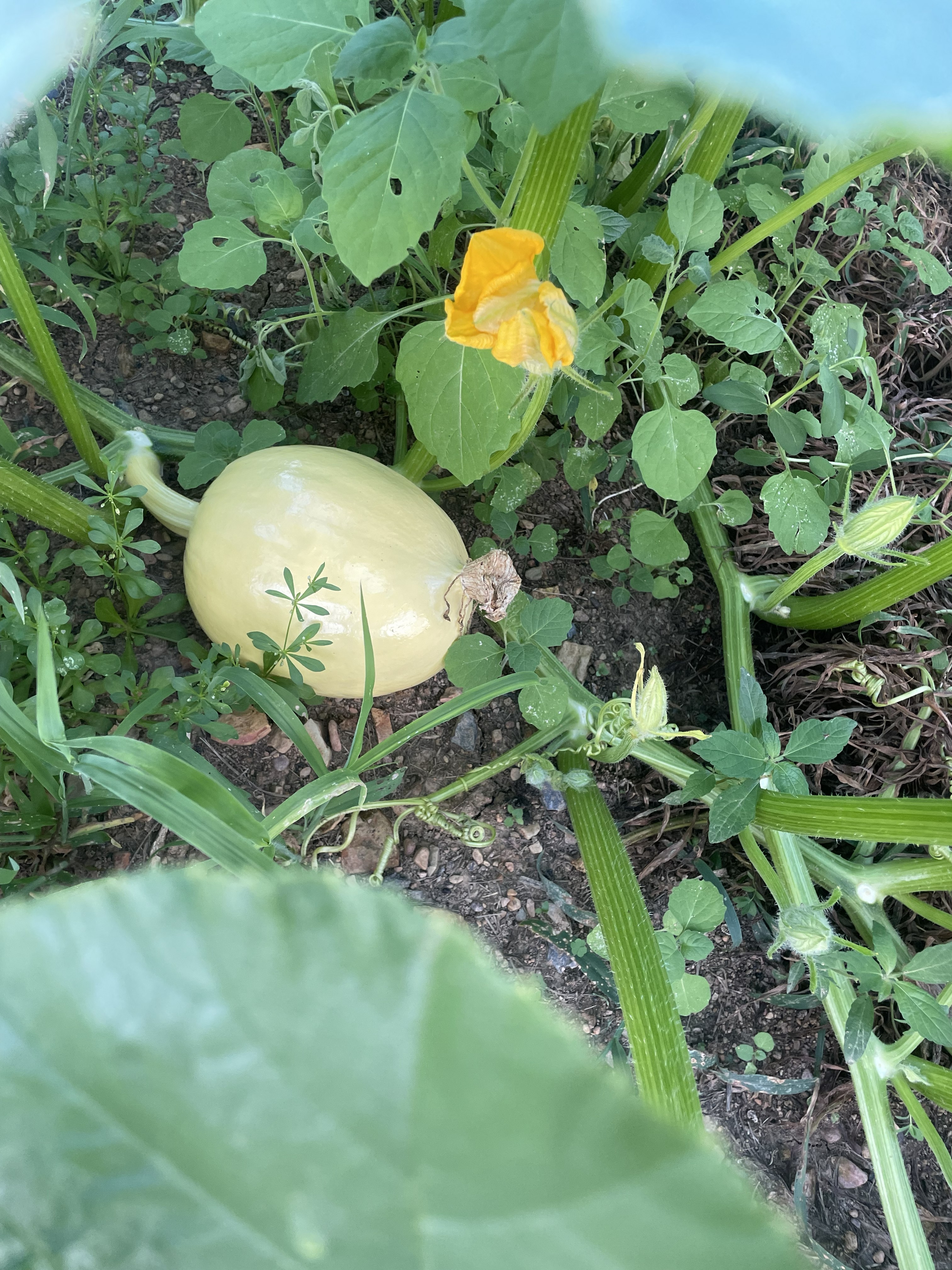
Have you ever wondered how giant pumpkins grow so big? At Sunny Oaks Farm, growing giant pumpkins is one of our favorite ways to teach kids about agriculture, gardening, and plant science. Whether you’re a homeschool family, backyard gardener, or just love fall gardening, learning how to grow giant pumpkins is a fun and rewarding project.
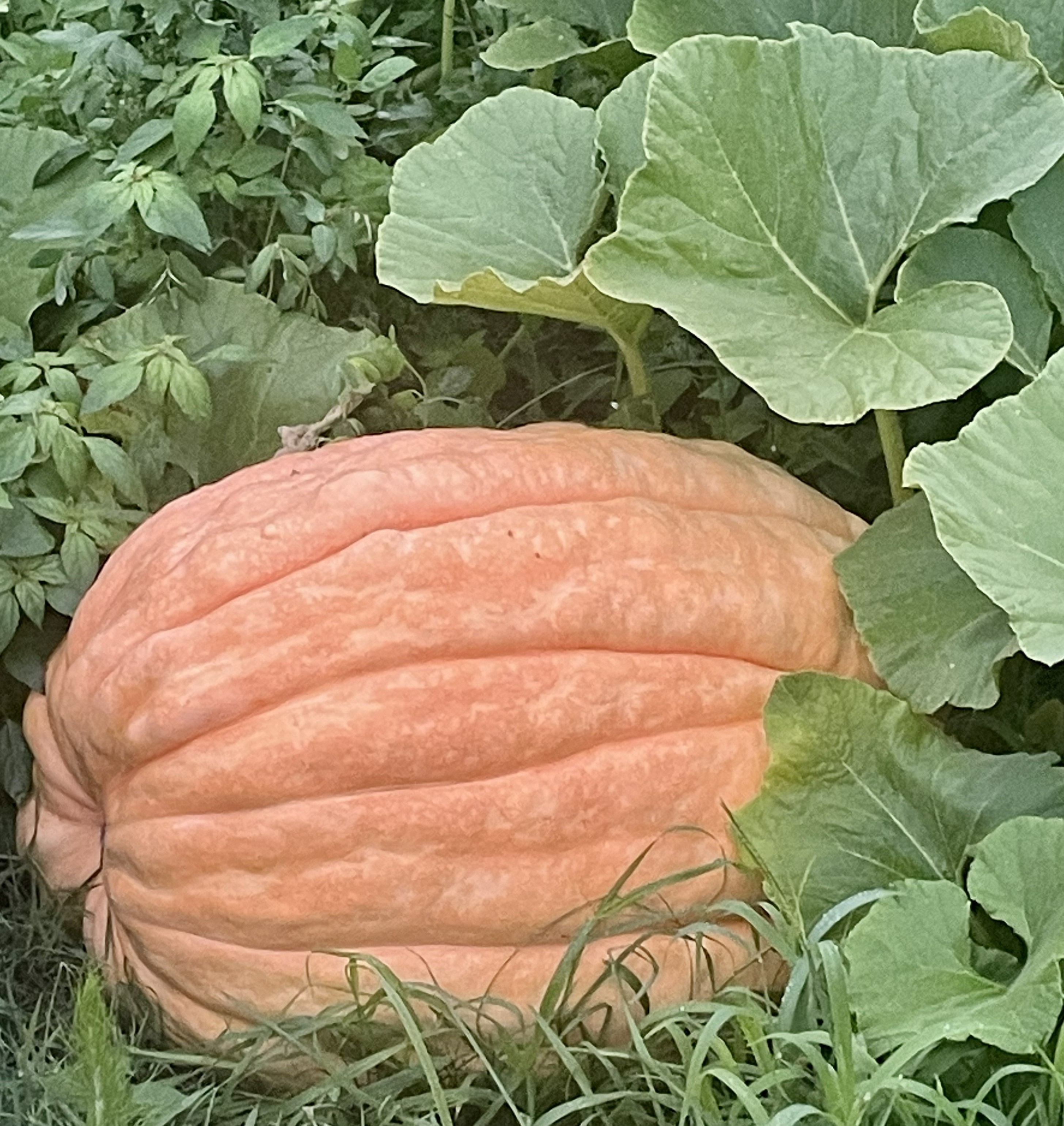
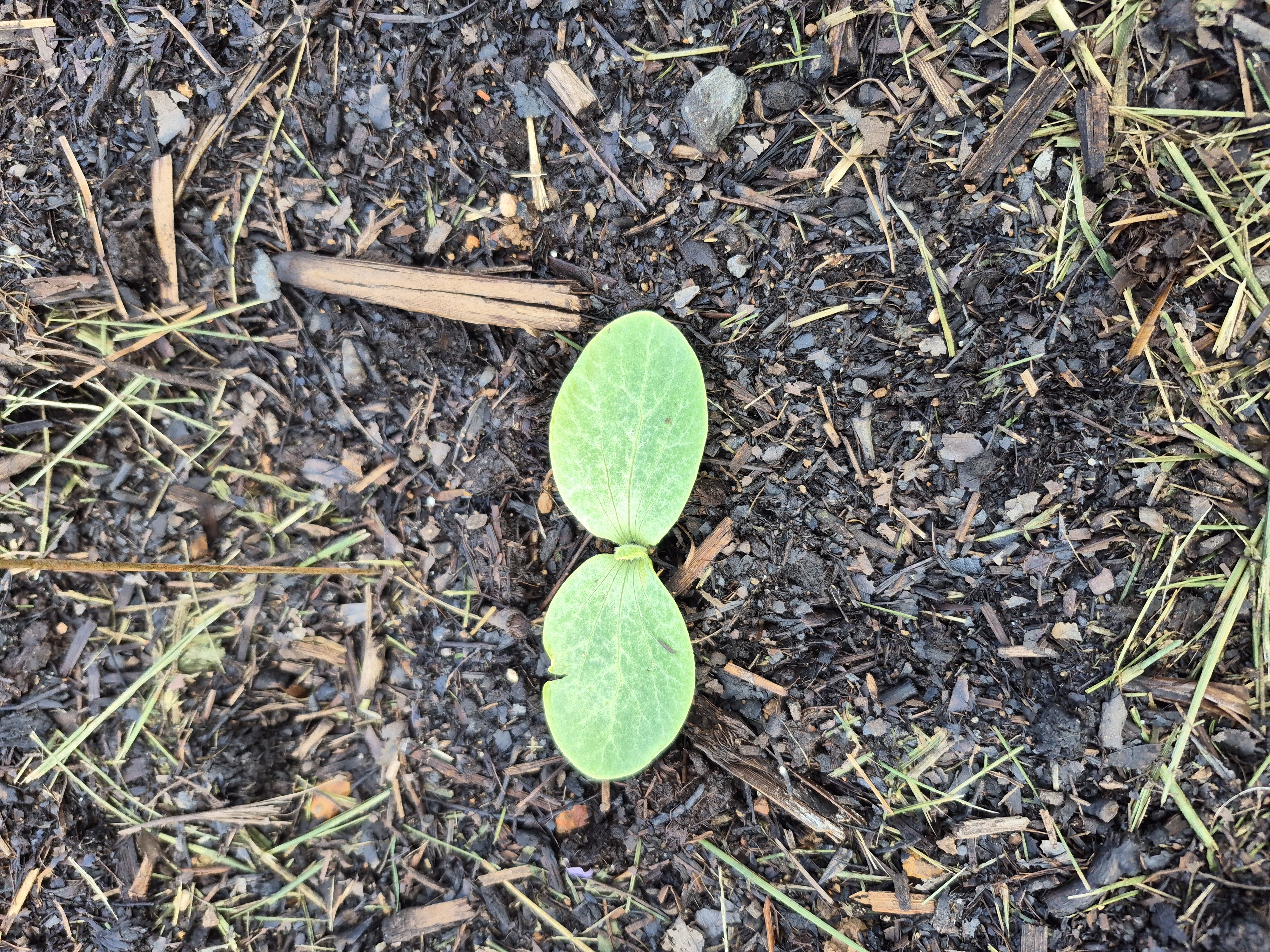
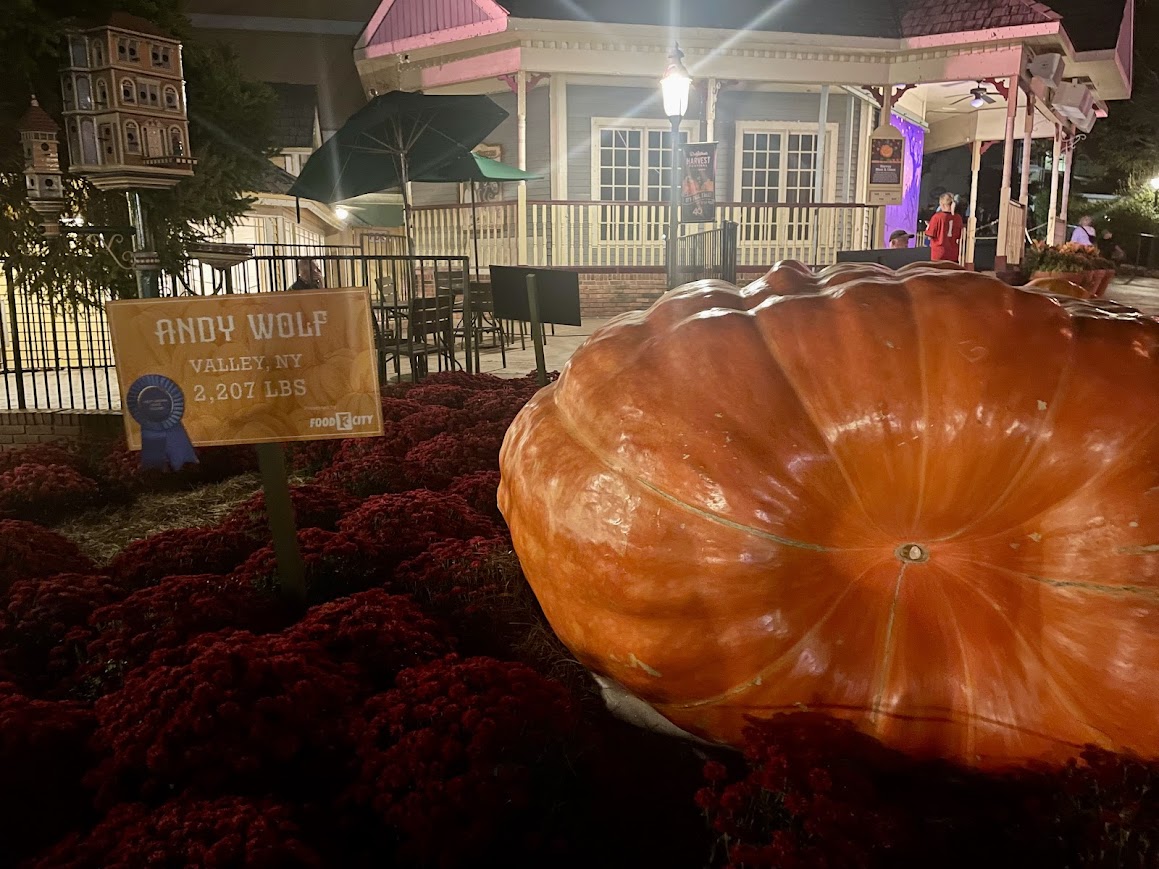
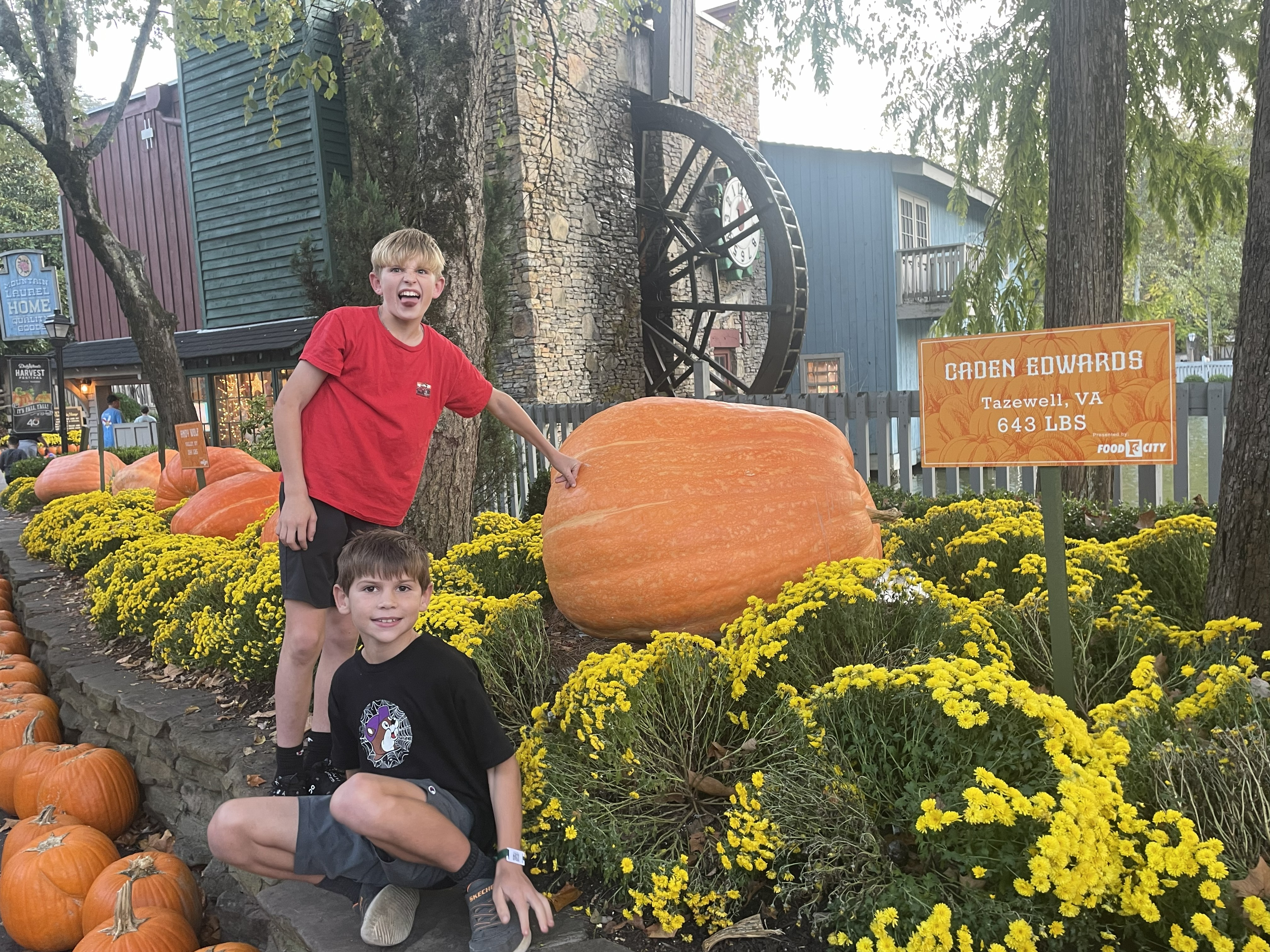
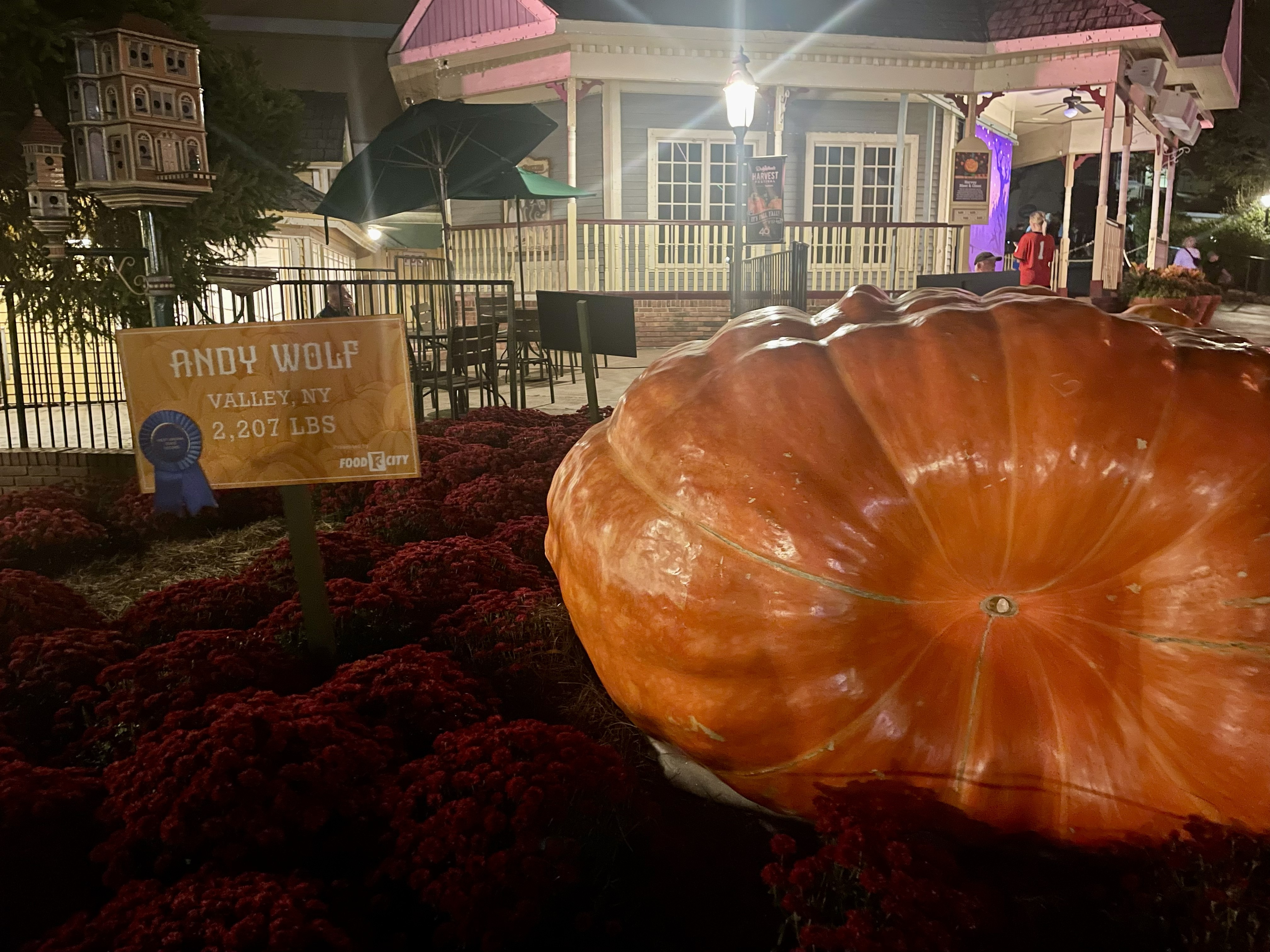
In this guide, we’ll walk you through how to grow giant pumpkins successfully — from seed selection to fertilizer tips.
What Variety Produces Giant Pumpkins?
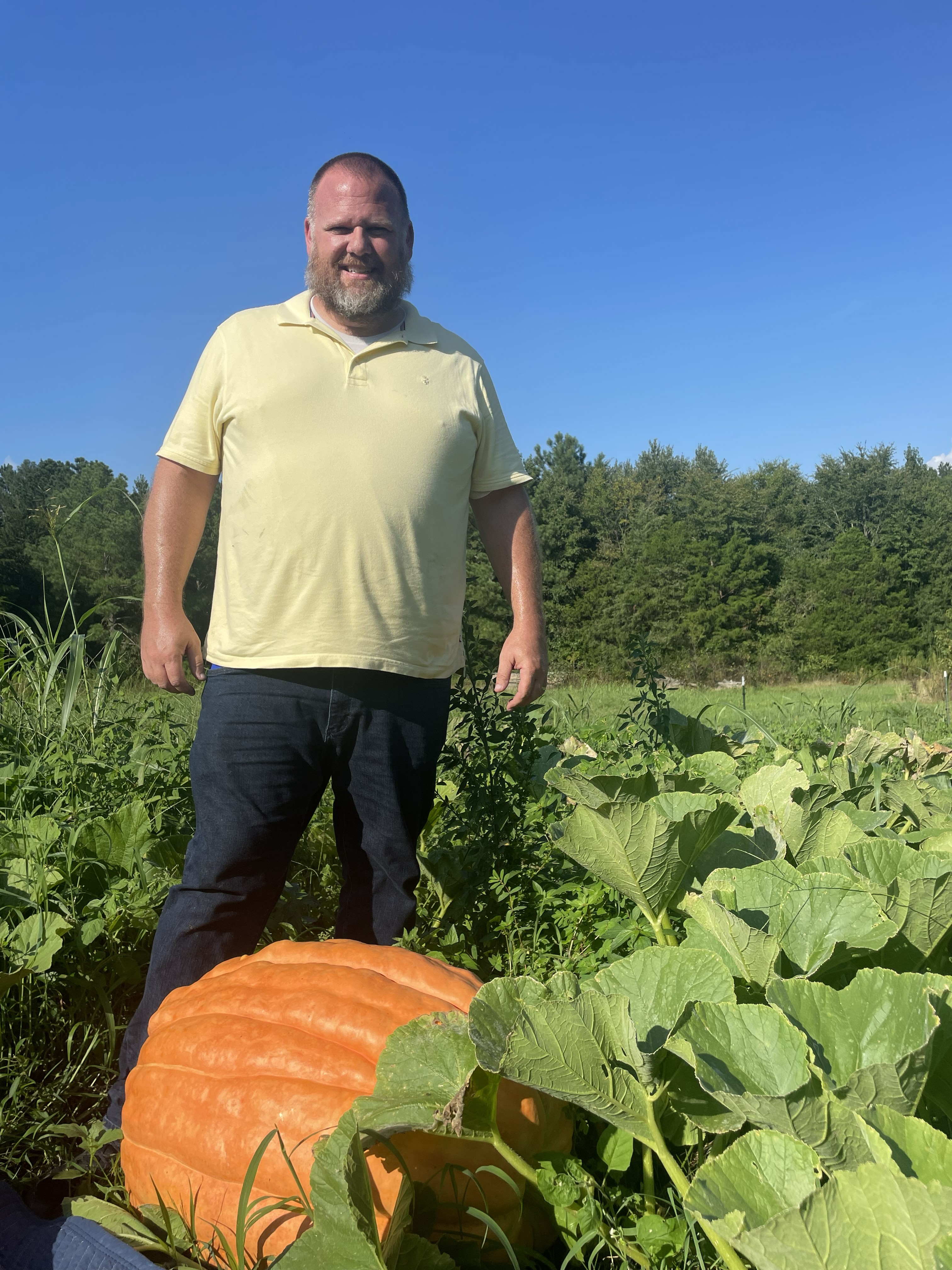
If you want to grow truly massive pumpkins, you’ll need a variety bred specifically for size. The most popular variety for giant pumpkin growing is Atlantic Giant. These pumpkins have been selectively bred for generations and can grow over 1,000 pounds under the right conditions.
Step 1: Start with Healthy Soil
Healthy soil is the foundation of growing giant pumpkins. Giant pumpkins are heavy feeders, meaning they require nutrient-rich soil with:
- Organic compost
- Well-draining structure
- Balanced pH (around 6.5–7.0)
- Plenty of space for vines to spread
Before planting, we recommend mixing compost into your garden bed and ensuring your planting area gets at least 6–8 hours of sunlight daily.
Step 2: Watering and Fertilizing Giant Pumpkins
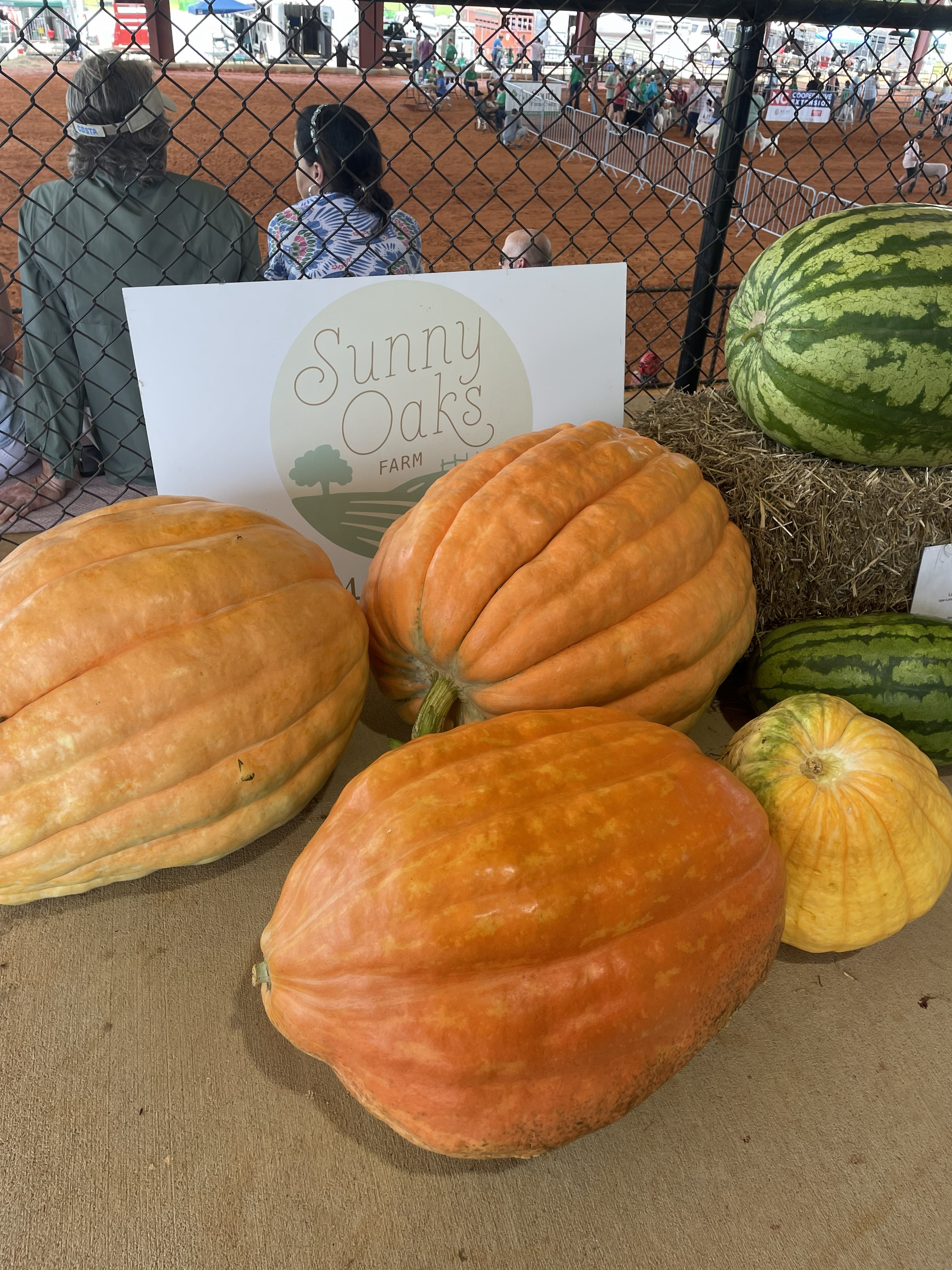
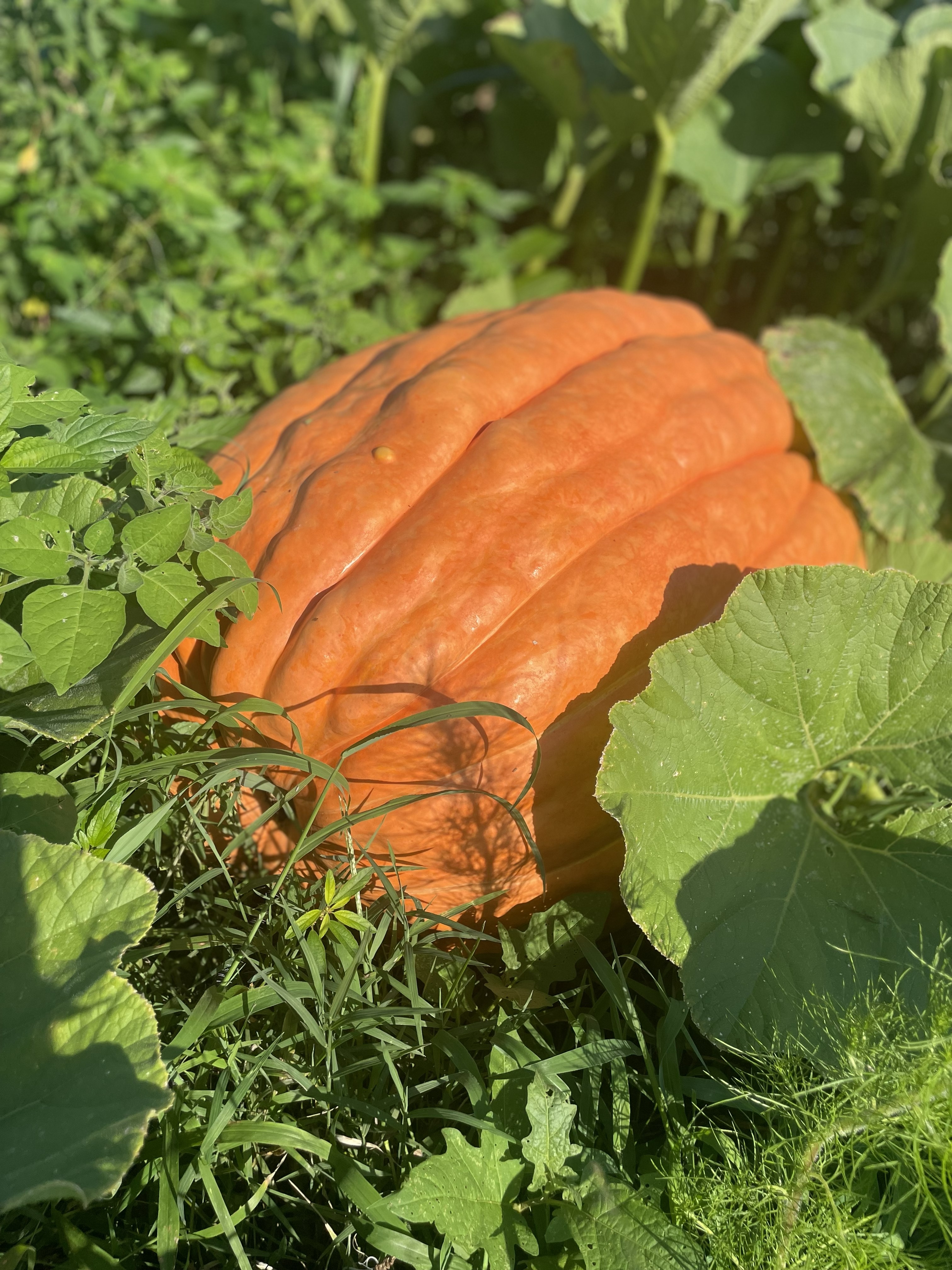
One of the biggest secrets to growing giant pumpkins is consistent watering combined with proper fertilization. Giant pumpkins require:
- Deep watering several times per week
- Consistent moisture (but not soggy soil)
- Supplemental nutrients during peak growth
At Sunny Oaks Farm, we mix a water-soluble fertilizer into our watering routine to help support strong vine growth and fruit development. During peak growing season, giant pumpkins can gain 30–50 pounds per day, so they need steady nutrients to keep up.
The fertilizer we personally use and recommend can be found here:
https://amzn.to/4aH7VLV(As an Amazon Associate, we may earn from qualifying purchases.)
Step 3: Pruning for Bigger Pumpkins
If you want one truly giant pumpkin, you’ll need to focus the plant’s energy. Most growers:
- Allow several pumpkins to start growing
- Select the healthiest one
- Remove the others
- Trim excess vines
This directs nutrients to a single pumpkin, encouraging maximum size.
Step 4: How Fast Do Giant Pumpkins Grow?
Under ideal conditions, giant pumpkins grow incredibly fast. During peak summer growth:
- Vines can stretch over 30 feet
- Leaves grow larger than dinner plates
- Pumpkins may gain multiple pounds per hour
This makes giant pumpkin growing a fantastic hands-on science lesson for kids studying plant life cycles and agriculture.
What’s Inside a Giant Pumpkin?
Inside a giant pumpkin you’ll find: thick orange flesh, hundreds of pumpkin seeds, and stringy pulp protecting the seeds. Yes — giant pumpkins are edible! However, they are usually grown for competitions rather than flavor. Saving seeds from your largest pumpkin is a great way to improve next year’s crop.
Why Growing Giant Pumpkins Is Great for Family Learning and Education
At Sunny Oaks Farm, we love using giant pumpkins to teach:
- Plant life cycles
- Soil health and nutrients
- Measurement and weight
- Patience and long-term care
- Basic agricultural science
Watching something grow from a tiny seed into a massive pumpkin teaches children that consistent care leads to big results.
Final Tips for Growing Giant Pumpkins Successfully
- Choose Atlantic Giant seeds
- Start with rich, well-prepared soil
- Water deeply and consistently
- Add fertilizer regularly through watering
- Focus energy on one pumpkin
- Give vines plenty of room
With the right care, you might just grow a pumpkin big enough to need a tractor to move it!
Frequently Asked Questions About Growing Giant Pumpkins
How much water do giant pumpkins need?
They need consistent deep watering several times per week, especially during peak growth.
What is the best fertilizer for giant pumpkins?
A balanced, water-soluble fertilizer added during watering works well to support rapid growth.
Can you grow giant pumpkins in a backyard garden?
Yes — as long as you have enough space for vines to spread (30+ feet is ideal).