There are a lot of ways to get a garden started, but most of them fall into three buckets: starting seed, buying plugs, and transplanting. At Sunny Oaks Farm, we use all three—depending on the crop, the season, and how much time we have.
If you’re trying to decide which route is best for you, here’s a simple, practical breakdown—with the lessons we’ve learned along the way.
Quick Definitions (So We’re Talking About the Same Thing)
- Starting seed: You plant seeds (usually in trays) and grow them into seedlings.
- Plugs: Young plants already started for you—typically in small cells or trays.
- Transplanting: Moving a seedling or plug from its cell/pot into the garden (or a bigger container).
Option 1: Starting Seeds (Best for Variety + Savings)
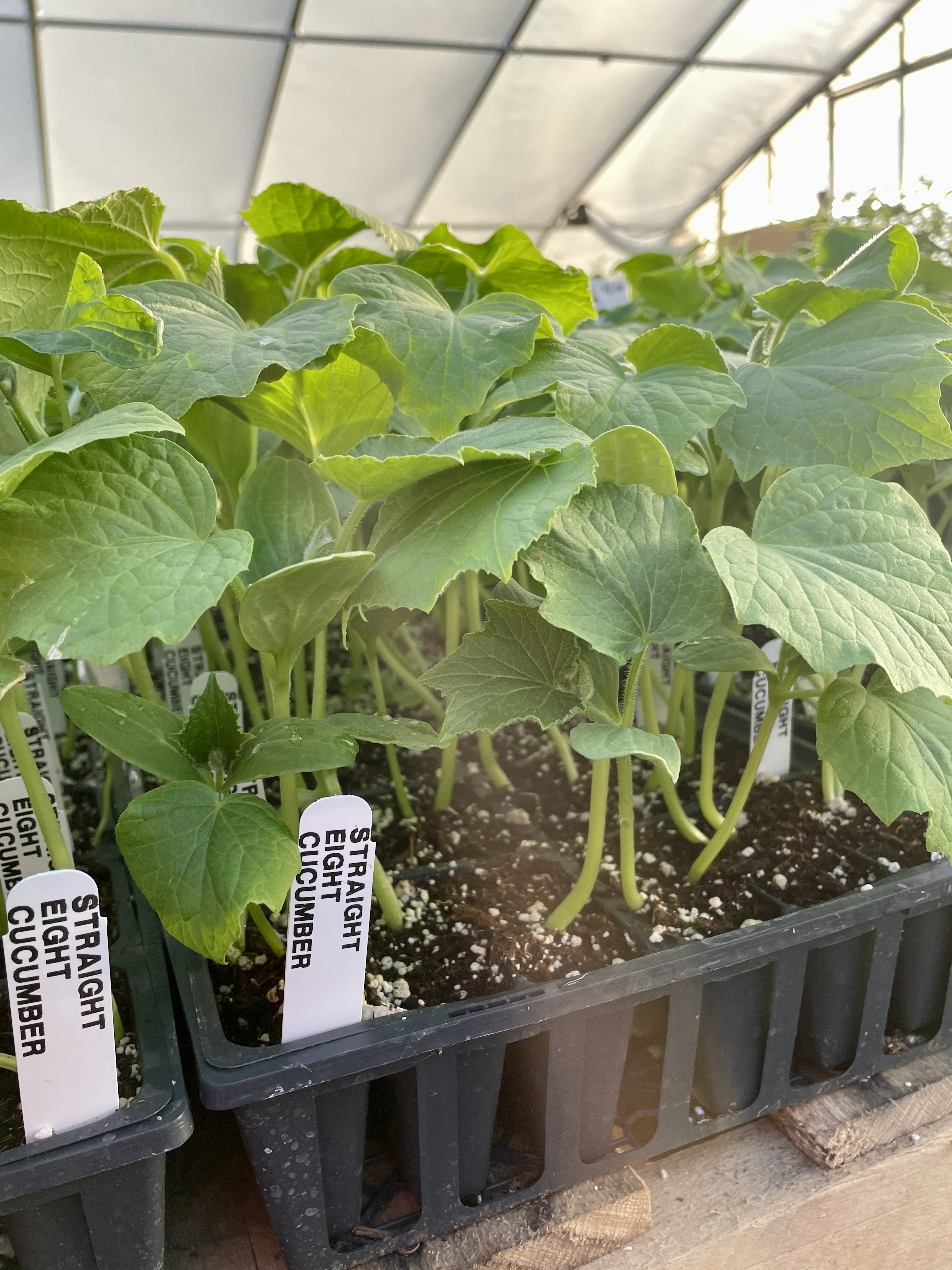
Starting from seed gives you the most control and the most options—especially if you like unusual varieties, heirlooms, or specific cut flowers you don’t always see locally.
Why we love starting seed
- So many choices: You can grow varieties that stores never carry.
- Lower cost per plant: Especially if you’re planting a lot.
- Timing control: Start earlier (or later) based on your season and goals.
Challenges to know up front
- You need a setup: Light, warmth, trays, and some space.
- More time & attention: Watering, airflow, and “babysitting” seedlings.
- Risk of legginess/damping off: Usually from low light, too much water, or poor airflow.
Sunny Oaks “seed-starting basics” checklist
- Use a quality seed-starting mix (light and fluffy, not heavy garden soil).
- Keep seeds evenly moist—damp like a wrung-out sponge, not soggy.
- Give seedlings strong light once they sprout.
- Provide airflow (a small fan helps) to reduce disease and strengthen stems.
- Label everything. (Ask me how I know.)
Tip: If you’re brand new, start with a few easy wins like zinnias, basil, lettuce, or tomatoes.
Option 2: Buying Plugs (Best for Speed + Convenience)
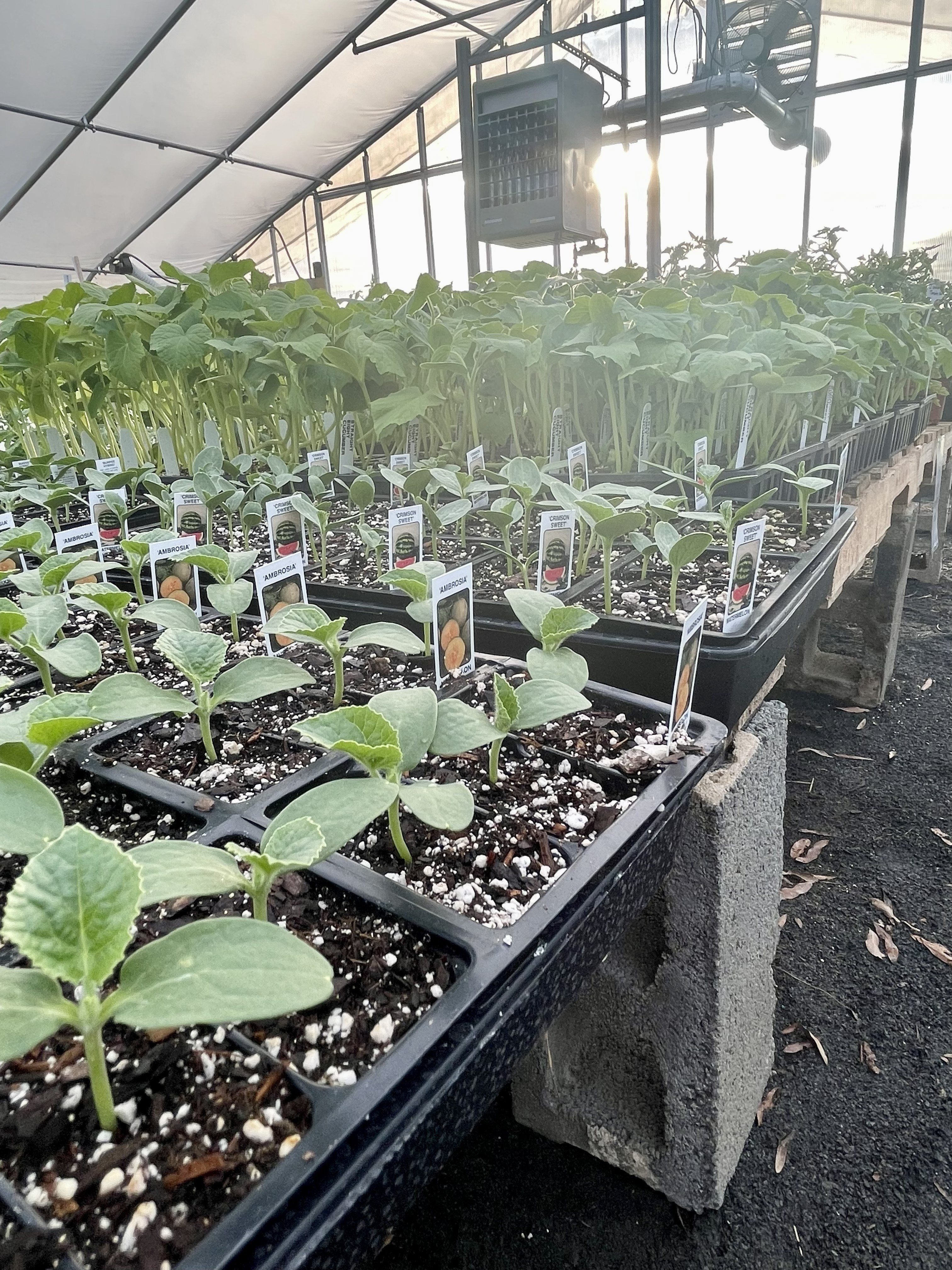
Plugs are a great option when you want healthy young plants without the seed-starting setup. If you’re short on time, space, or patience, plugs can help you get planting fast.
Why plugs can be worth it
- Fast start: You skip the germination stage completely.
- Less equipment: No lights, heat mats, or trays required.
- Great for tight windows: Perfect if you’re “late to the season.”
What to watch for when buying plugs
- Root-bound plants: If roots are circling tightly, growth can stall after transplanting.
- Leggy plugs: Tall, thin plants may struggle outside.
- Shock risk: Plugs grown in a greenhouse need time to adjust outdoors.
- Cost adds up: Plugs are usually pricier than seeds—especially for large gardens.
Our “choose a good plug” checklist
- Look for thick stems, deep green color, and sturdy growth.
- Avoid yellowing leaves or limp plants.
- Gently check the root ball if possible—roots should be present, but not tightly circling.
- Buy from a source you trust (healthy starts matter).
Option 3: Transplanting (Where Success Is Won or Lost)
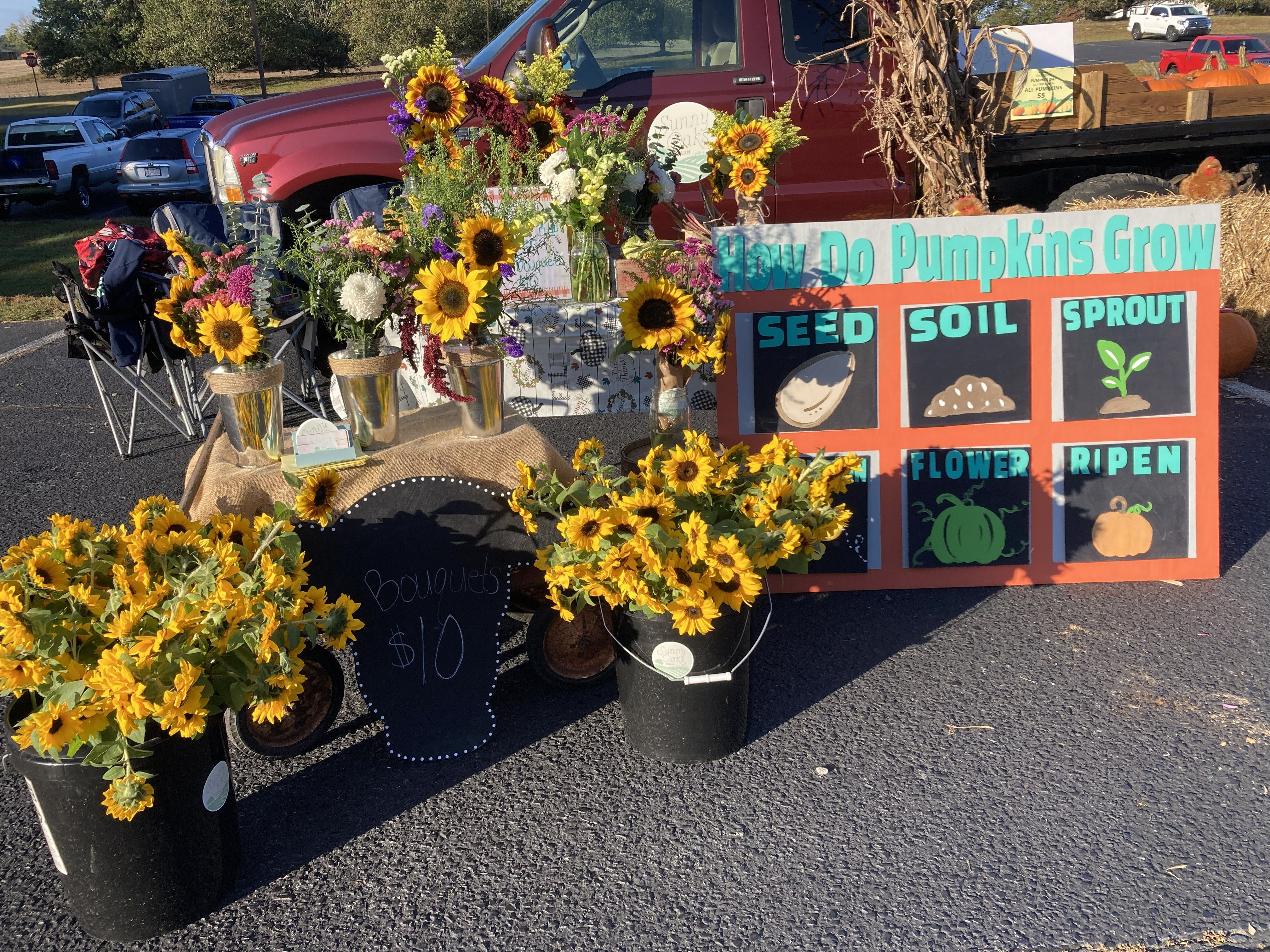
Whether you start from seed or buy plugs, transplanting is the moment that decides how quickly a plant takes off (or struggles). The goal is simple: reduce stress and help roots settle in fast.
Before you transplant: harden off
If plants were grown indoors or in a protected greenhouse, they need a short adjustment period called hardening off. This helps them handle sun, wind, and temperature swings.
- Start with 1–2 hours outside in shade or filtered light.
- Increase outdoor time each day over about a week.
- Work up to full sun (for sun-loving crops) and overnight temps that match your garden conditions.
Transplanting steps we follow at Sunny Oaks Farm
- Water first: Water the seedlings/plugs so the root ball holds together.
- Plant at the right depth: Most plants go at the same depth they were growing—except tomatoes (they can go deeper).
- Handle by leaves, not stems: Leaves can regrow; a snapped stem usually can’t.
- Firm soil gently: Good root-to-soil contact helps plants “grab hold.”
- Water in: A deep watering settles soil and reduces air pockets.
- Protect if needed: Shade cloth, row cover, or even a light sheet can help during a hot or windy stretch.
Common transplant mistakes (and how to avoid them)
- Planting too early: Cold soil can stall warm-season crops like tomatoes and peppers.
- Skipping hardening off: This is how leaves get scorched or plants “melt.”
- Letting plants dry out: New transplants need consistent moisture as roots expand.
- Over-fertilizing immediately: Gentle is better at first—let roots establish.
So Which One Should You Choose?
Here’s the simple way we think about it:
- Start seeds if you want variety, savings, and you don’t mind the extra steps.
- Buy plugs if you want convenience, a quick start, or you’re short on space/time.
- Focus on transplanting no matter what—because that’s what makes plants thrive.
Our best advice: do a mix. Start a few things from seed for the fun and variety, then buy plugs for the crops you want to be “guaranteed” or when life gets busy.
Affiliate Partner: Seeds & Bulbs
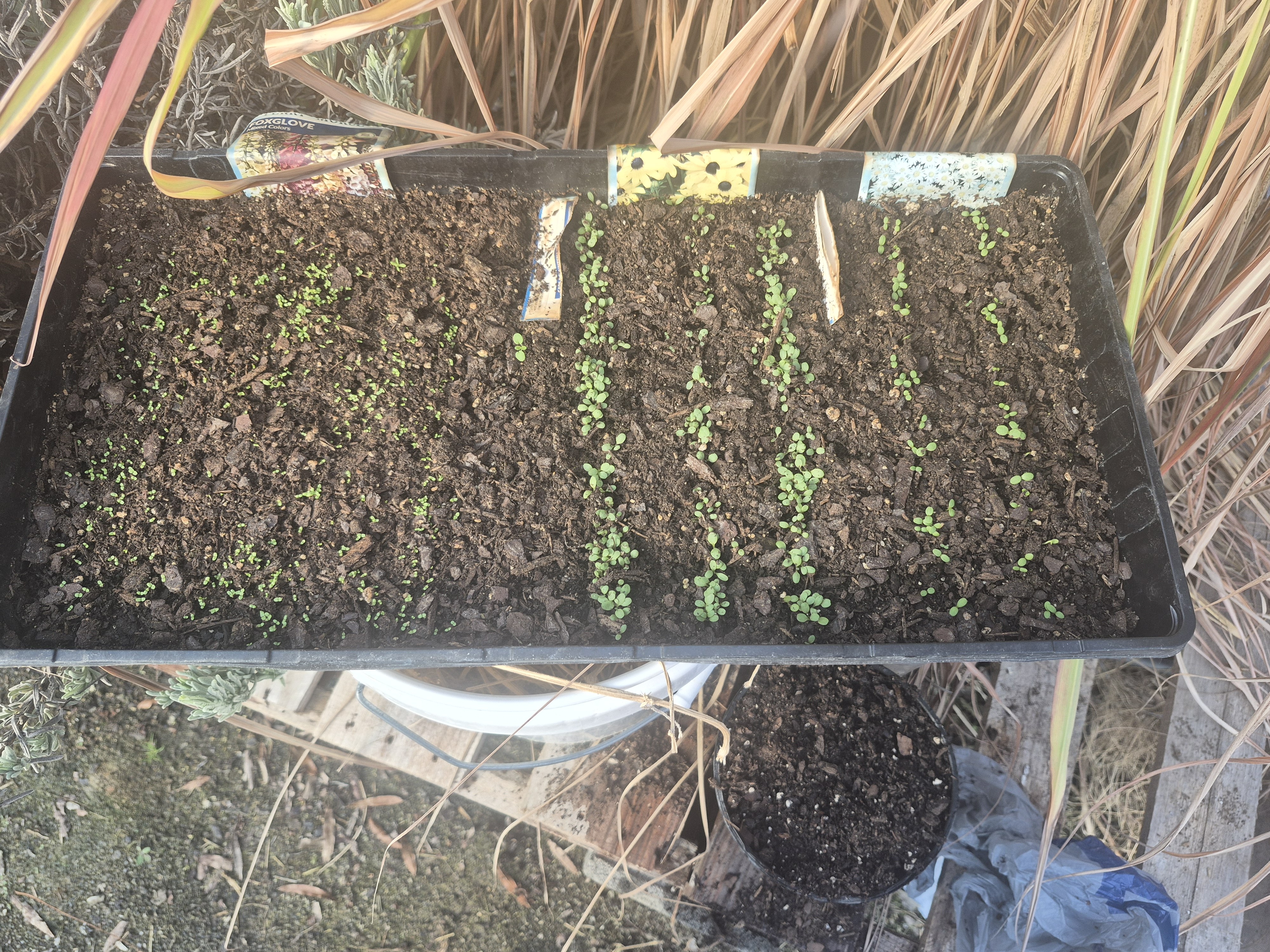
If you’re looking to order seeds or bulbs for vegetables and cut flowers, this is one of our affiliate partners. (As always, we only share links to products we think are worth checking out.)